Exploring AC Installation Cost: A Comprehensive Guide
AC installation cost sets the stage for this enthralling narrative, offering readers a glimpse into a story that is rich in detail with a casual formal language style and brimming with originality from the outset.
As we delve into the intricacies of AC installation costs, we uncover a world where factors like AC unit type, property size, and installation complexities play a pivotal role in determining the overall expenses.

When it comes to the cost of installing an air conditioning system, several key factors play a significant role in determining the overall expenses. Understanding these factors can help homeowners make informed decisions and budget accordingly for their AC installation project.
The type of air conditioning unit chosen can have a substantial impact on the installation cost. For example, a ductless mini-split system tends to be more expensive to install compared to a window unit. This is because ductless systems require additional components and professional installation services, driving up the overall cost.
The size of the property being cooled also influences the installation cost. Larger homes or commercial buildings may require more extensive ductwork, additional units, or a higher capacity AC system to effectively cool the space. As a result, the installation cost can increase significantly for larger properties compared to smaller residences.
The complexity of the installation process can impact the overall cost of installing an air conditioning system. Factors such as the accessibility of the installation site, existing ductwork conditions, and any necessary modifications to the electrical system can all contribute to higher installation costs.
Additionally, if specialized equipment or expertise is required for the installation, the overall cost may increase further.
Opting for a more energy-efficient AC unit may initially come with a higher price tag, but it can lead to long-term cost savings on energy bills. Energy-efficient units are designed to operate more efficiently, reducing energy consumption and lowering utility costs over time.
While the upfront cost may be higher, the potential savings in the long run should be considered when evaluating the overall cost of AC installation.

When it comes to choosing an air conditioning unit for your space, there are several types available, each with its own installation costs. Let’s explore the common types of AC units and compare their installation expenses.
Central air conditioning systems are a popular choice for larger homes and commercial buildings. The installation cost for a central AC system can range from $3,000 to $7,000, depending on the size of the unit and the complexity of the installation process.
While the initial cost may be higher, central AC systems are known for their efficiency and ability to cool large spaces effectively.
Ductless mini-split systems are a great option for homes without existing ductwork. The installation cost for a ductless mini-split system typically ranges from $1,500 to $2,500 per indoor unit. While the upfront cost may be lower than central AC systems, ductless mini-splits are known for their energy efficiency and zoned cooling capabilities.
Window air conditioners are a budget-friendly option for cooling individual rooms. The installation cost for a window AC unit is relatively low, typically ranging from $200 to $500. However, window AC units are not as energy-efficient as central or ductless systems and may not be suitable for cooling larger spaces.
Portable air conditioners are a versatile option that can be moved from room to room as needed. The installation cost for a portable AC unit is minimal, as it simply requires plugging it into a power source and venting the exhaust.
While portable AC units offer convenience, they are less efficient than other types of AC systems and may struggle to cool larger spaces effectively.Overall, the installation costs for AC units vary depending on the type of system you choose. It’s essential to consider factors such as the size of your space, energy efficiency, and cooling needs when selecting the right AC unit for your home or business.
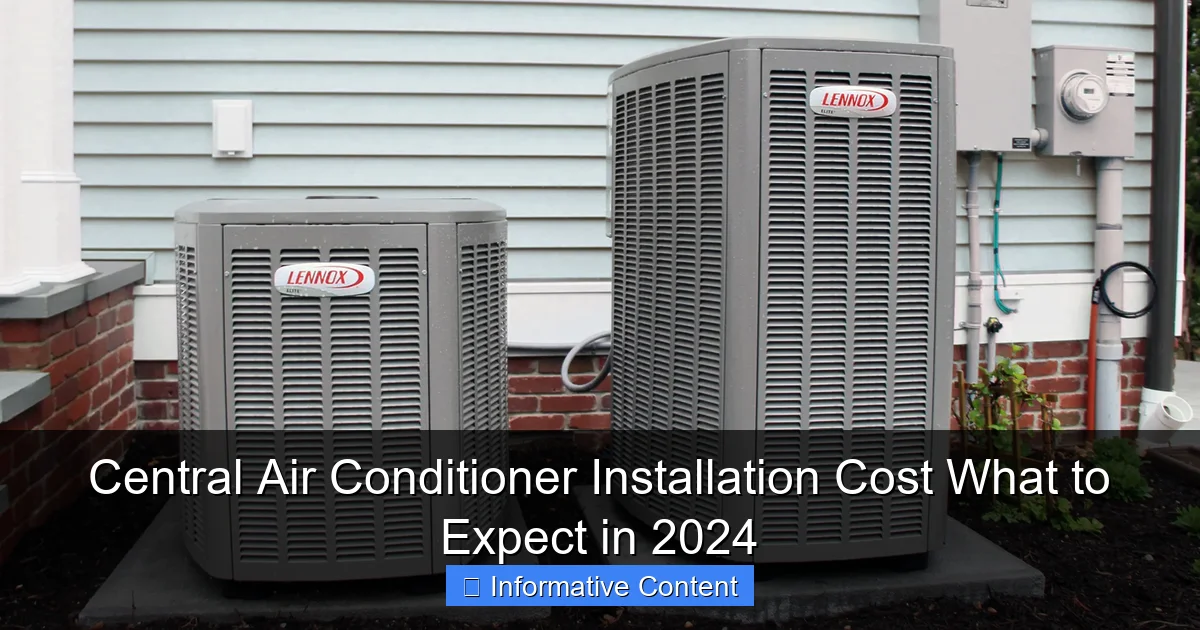
When it comes to installing an air conditioning system, it’s important to understand the breakdown of costs involved to budget effectively. Here, we will break down the average costs associated with AC installation to give you a better idea of what to expect.
When it comes to installing a new AC system, homeowners are always looking for ways to save money without compromising on quality. Here are some practical tips and strategies to help reduce AC installation costs:
One of the most important factors that can impact installation costs is choosing the right size AC unit for your home. An incorrectly sized unit can lead to inefficiencies and higher energy bills. Make sure to consult with a professional to determine the appropriate size for your space.
Investing in an energy-efficient AC unit may have a higher upfront cost, but it can lead to significant savings in the long run. Look for units with high SEER ratings to ensure optimum energy efficiency and lower utility bills.
Before the installation process begins, homeowners can save money by completing any necessary prep work themselves. This can include clearing space around the installation area, removing obstacles, and ensuring proper ventilation for the new unit.
Don’t settle for the first quote you receive. Take the time to get multiple quotes from different contractors to compare prices and services. This can help you negotiate a better deal and find the most cost-effective solution for your AC installation.
Opting for a maintenance plan with your installation can help you save money in the long term. Regular maintenance can extend the lifespan of your AC unit, prevent costly repairs, and ensure optimal performance, ultimately reducing overall expenses.