Mini Split vs Central Air: An In-Depth Comparison
Mini split vs central air sets the stage for this enthralling narrative, offering readers a glimpse into a story that is rich in detail and brimming with originality from the outset.
As we delve into the realms of energy efficiency, installation processes, cost considerations, and flexibility in zoning, the comparison between mini split systems and central air conditioning unfolds with intriguing insights.
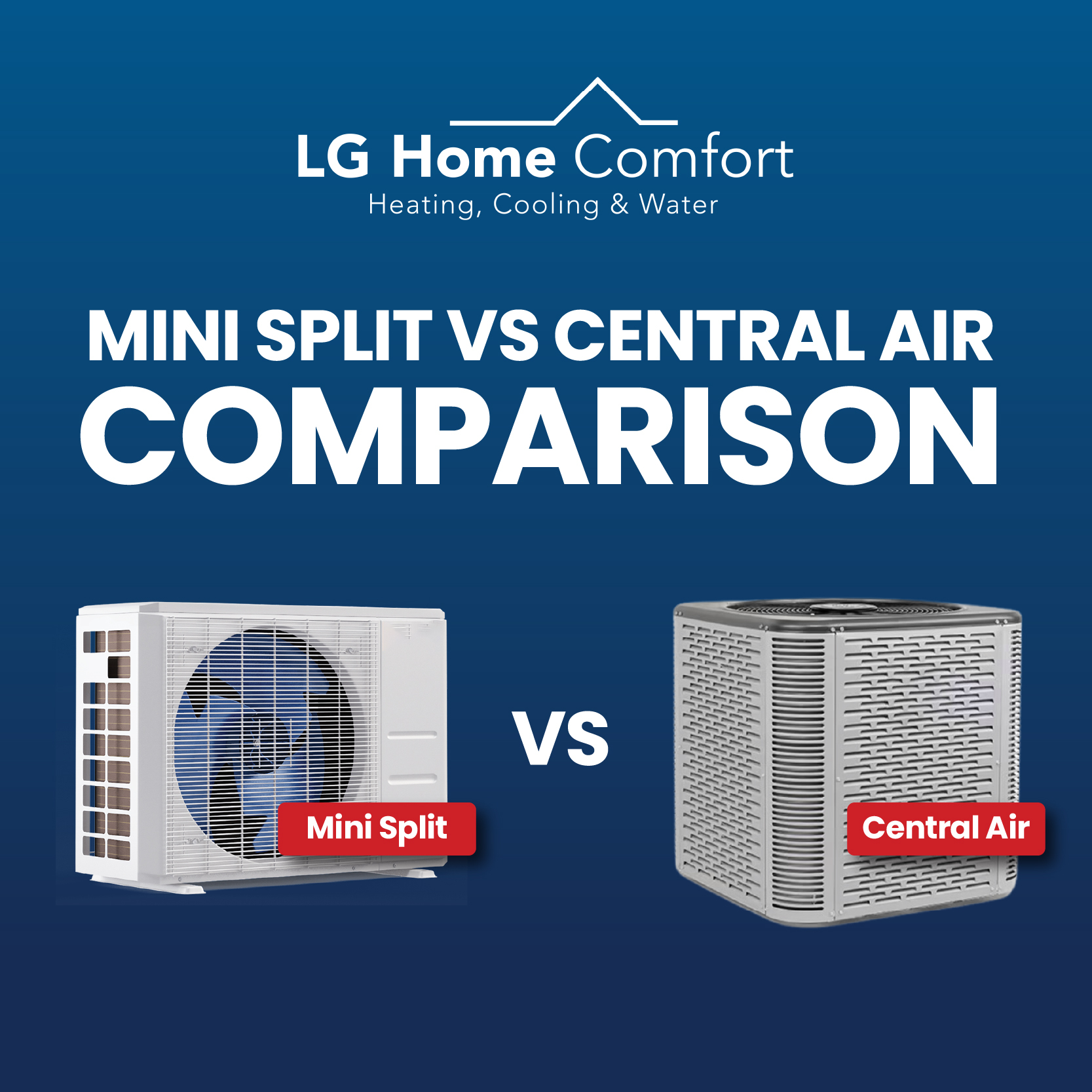
When comparing mini split systems and central air conditioning, one important aspect to consider is their energy efficiency. The efficiency of these systems can have a significant impact on energy consumption and overall operating costs. Let’s delve into the factors that contribute to the efficiency of each system.
Mini split systems are known for their high energy efficiency due to their ductless design. By eliminating the need for ductwork, these systems reduce energy loss that can occur in central air systems. Additionally, mini split systems allow for zone cooling, enabling users to cool specific areas of the home only when needed.
This targeted cooling helps to further improve energy efficiency and reduce wastage.
Central air conditioning systems, on the other hand, rely on ductwork to distribute cooled air throughout the entire home. While central air systems can be efficient when properly maintained and optimized, the ductwork can lead to energy loss through leaks and poor insulation.
The size of the home and the layout of the ductwork can also impact the overall efficiency of central air conditioning systems.
Several factors contribute to the efficiency of both mini split and central air systems. Proper installation, regular maintenance, and the use of energy-efficient components all play a role in ensuring that these systems operate at peak efficiency. Additionally, factors such as insulation levels, home size, and climate can influence the overall energy efficiency of the cooling system.
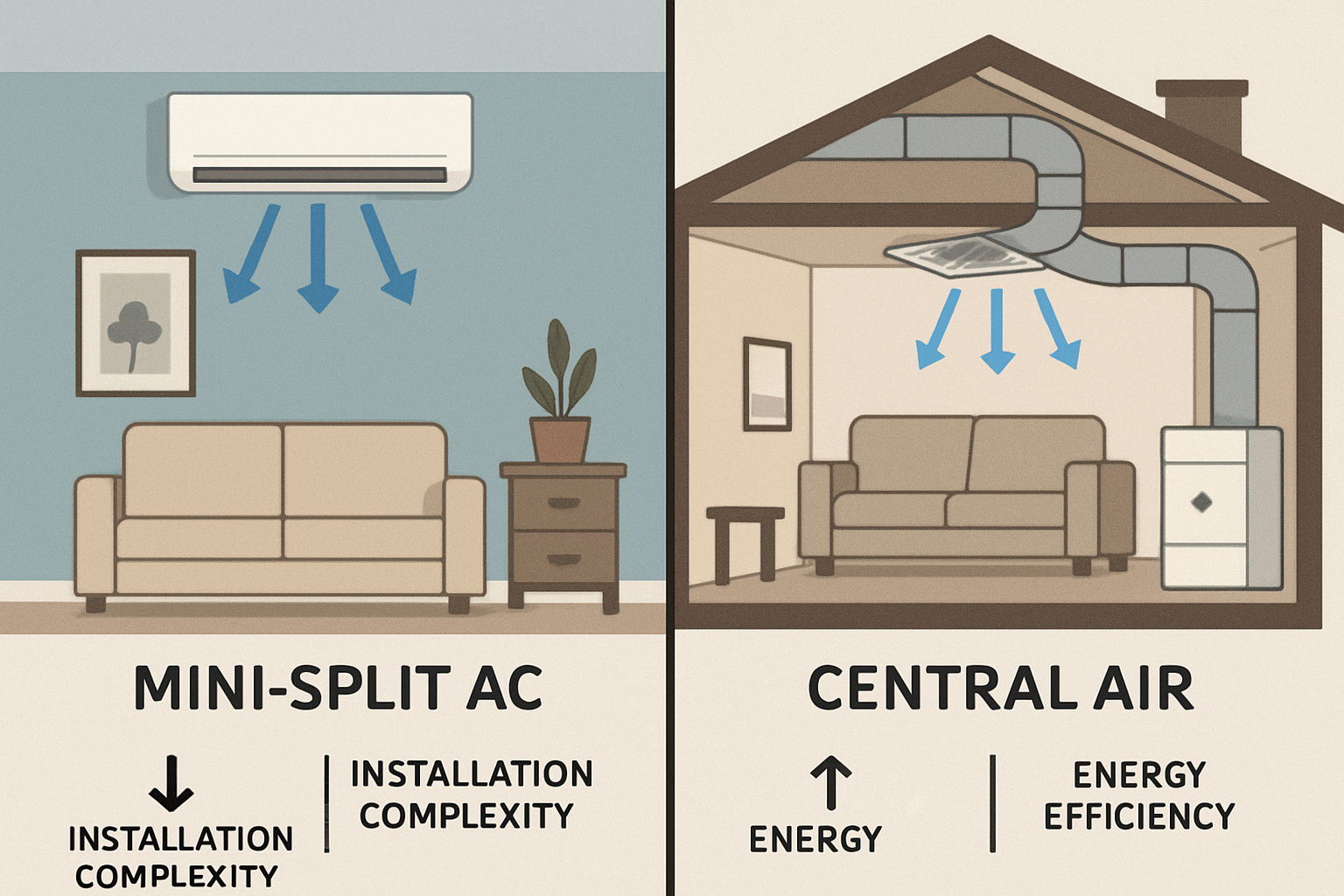
Installing a cooling system in your home is a crucial decision that requires careful consideration. The installation process for mini split systems and central air conditioning systems differ in complexity and time requirements. Let’s delve into the details of each.
Mini split systems are typically easier to install compared to central air conditioning systems. The installation process involves the following steps:
Installing a central air conditioning system is a more complex process compared to mini split systems. The installation steps for central air include:
In terms of complexity and time required for installation, mini split systems are generally quicker and easier to install compared to central air conditioning systems. Mini splits do not require ductwork, making the installation process less invasive and time-consuming. On the other hand, central air systems involve more components and may require more extensive modifications to the home, resulting in a longer installation process.

When it comes to choosing between a mini split system and a central air conditioning system, cost is a crucial factor to consider. Let’s break down the initial costs and long-term implications of both options.

When it comes to flexibility and zoning, mini split systems have a significant advantage over central air systems. Mini splits offer the ability to create different zones within a home or building, allowing for individual room control and customization of temperature settings.
Mini split systems can be installed in various rooms or zones, each with its own thermostat for precise temperature control. This allows occupants to adjust the temperature according to their preferences, leading to increased comfort and energy efficiency. Additionally, mini splits are ideal for spaces with varying heating and cooling needs, such as sunrooms, additions, or multi-story buildings.
In contrast, central air systems typically have one thermostat that controls the temperature for the entire home or building. While some central air systems may have zoning capabilities, they are often limited in their ability to provide room-specific temperature adjustments.
This can result in uneven cooling or heating throughout the space, leading to potential discomfort for occupants.
The flexibility offered by mini split systems in terms of zoning and individual room control allows for personalized comfort settings and more efficient use of energy. By only cooling or heating occupied rooms, mini splits can help reduce energy consumption and lower utility costs.
On the other hand, central air systems may struggle to provide the same level of customization and efficiency, especially in larger or multi-use spaces.