Exploring HVAC Service Cost: A Comprehensive Guide
Delving into the realm of HVAC service cost, this guide aims to provide a detailed insight into the factors, services, comparisons, and strategies related to this essential aspect of home maintenance.
As we navigate through the various components influencing HVAC service expenses, we uncover a wealth of information that can help homeowners make informed decisions regarding their HVAC systems.
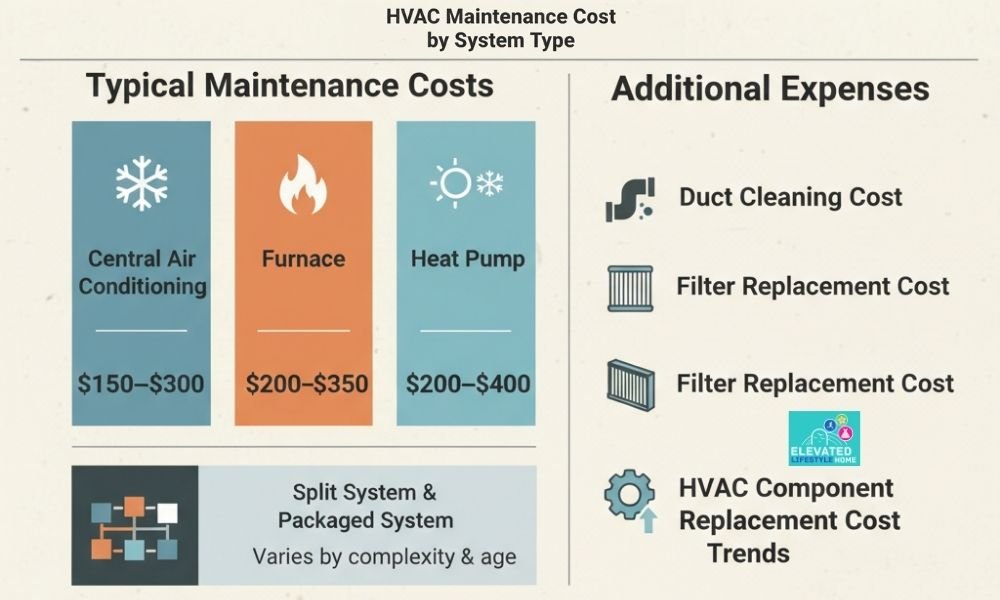
When it comes to determining the cost of HVAC services, several factors come into play that can influence the final expense. Understanding these key components can help you better manage your HVAC maintenance budget.
The size of your HVAC system directly impacts the cost of services. Larger systems require more materials and labor to maintain or repair, leading to higher service costs. On the other hand, smaller systems may be more cost-effective to service due to their reduced complexity.
The age of your HVAC system can also affect service expenses. Older systems may require more frequent repairs or replacements of parts, driving up maintenance costs over time. Additionally, outdated systems may be less energy-efficient, resulting in higher utility bills.
The geographic location of your property can play a role in determining HVAC service costs. Factors such as climate, local regulations, and the availability of HVAC technicians in your area can all impact the overall cost of maintenance and repairs.
For example, areas with extreme temperatures may require more frequent servicing to ensure optimal performance, leading to higher expenses.

When it comes to HVAC systems, homeowners often require a variety of services to ensure their heating and cooling units are running efficiently. Here is an overview of the common HVAC services and their associated costs.
Regular maintenance is essential to keep your HVAC system running smoothly. Here are the average costs associated with maintenance services:
From time to time, HVAC systems may require repairs due to wear and tear. Here are the costs for common repairs:
Some HVAC issues may require more extensive repairs that can be costly. Here are the expenses related to major repairs:

When it comes to comparing costs of HVAC service providers, it’s essential to look beyond just the price tag. Various factors can influence the overall cost, including pricing models, reputation, experience, and additional services offered by different providers.
Different HVAC service companies may have varying pricing models. Some may charge a flat rate for specific services, while others may offer hourly rates. It’s important to understand how each provider structures their pricing to determine which option aligns best with your needs and budget.
The reputation and experience of an HVAC service provider can impact costs. Companies with a strong track record and years of experience may charge higher rates due to their expertise and quality of service. While it may be tempting to opt for a cheaper option, it’s crucial to balance cost with the provider’s reputation to ensure a job well done.
Some HVAC service providers may offer additional services beyond standard maintenance and repairs. These could include energy efficiency audits, duct cleaning, or indoor air quality assessments. While these services can add to the overall cost, they may provide added value and improve the efficiency of your HVAC system in the long run.
When selecting an HVAC service provider, it’s essential to consider factors beyond just cost. Look for companies with positive reviews, certifications, and a proven track record of customer satisfaction. Request quotes from multiple providers to compare costs, but prioritize reliability, expertise, and quality of service when making your decision.

Investing in HVAC maintenance can help homeowners save money in the long run by reducing the need for frequent repairs and prolonging the lifespan of their systems. Here are some strategies to lower HVAC service costs:
Investing in energy-efficient HVAC systems can lead to significant cost savings over time. These systems are designed to operate more efficiently, reducing energy consumption and lowering utility bills.
Regular HVAC system inspections can help identify potential issues early on, preventing costly repairs down the line. By scheduling annual maintenance checks, homeowners can ensure their systems are running smoothly and efficiently.