Heat Pump vs Air Conditioner: A Comprehensive Comparison
Delving into the world of heating and cooling systems, the debate between heat pumps and air conditioners takes center stage. Let’s unravel the key differences and intricacies of these two systems to help you make an informed decision for your space.

A heat pump is a system that provides both heating and cooling by transferring heat from one place to another. On the other hand, an air conditioner is a device that is specifically designed for cooling indoor spaces.
The primary function of a heat pump is to regulate the temperature of a space by extracting heat from the air outside and transferring it inside during the colder months. In contrast, an air conditioner works by removing heat from the indoor air and releasing it outside to cool the space.

Heat pumps and air conditioners operate based on the same fundamental principle of transferring heat, but they do so in slightly different ways.When it comes to heating and cooling a space, a heat pump works by extracting heat from the outside air (even in cold temperatures) and transferring it inside to heat the space.
In cooling mode, the process is reversed, with heat being taken from inside the space and expelled outside.On the other hand, an air conditioner uses a refrigeration cycle to cool a space. This cycle involves the refrigerant changing from a liquid to a gas and back to a liquid, absorbing heat from the indoor air and releasing it outside.
When comparing the energy efficiency of heat pumps and air conditioners, it is important to consider how efficiently each system can convert energy into cooling or heating output. Energy efficiency directly impacts the operating costs of these systems, as more efficient units require less energy to maintain desired temperatures.
Heat pumps are generally more energy efficient than traditional air conditioners because they can provide both heating and cooling functions using the same system. This dual functionality allows heat pumps to transfer heat from the outside air to inside during colder months, making them more efficient in moderate climates.
On the other hand, air conditioners are designed solely for cooling purposes, making them less versatile in terms of energy efficiency.
The higher the energy efficiency rating of a heating or cooling system, the lower the operating costs will be. For example, a heat pump with a higher Seasonal Energy Efficiency Ratio (SEER) or Heating Seasonal Performance Factor (HSPF) will consume less electricity compared to a lower-rated unit.
Similarly, an air conditioner with a higher Energy Efficiency Ratio (EER) will be more cost-effective to operate than a unit with a lower EER.

When considering the climate suitability of heat pumps versus air conditioners, it is important to take into account the impact of extreme temperatures on the performance of these systems. The efficiency and effectiveness of both systems can vary depending on the climate they are operating in, making it essential to choose the right system for the specific environmental conditions.Extreme temperatures, whether extremely cold or hot, can affect the performance of heat pumps and air conditioners differently.
Heat pumps may struggle to efficiently heat a space in extremely cold climates, as they rely on extracting heat from the outside air. On the other hand, air conditioners may have difficulty cooling a space effectively in extremely hot climates, as the heat exchange process becomes less efficient when the outdoor temperatures soar.Based on climate considerations, it is recommended to use heat pumps in moderate climates where temperatures do not drop too low or rise too high.
Air conditioners, on the other hand, are more suitable for areas with consistently high temperatures where cooling is the primary concern.

When it comes to installing heat pumps and air conditioners, there are specific requirements that need to be considered to ensure optimal performance and efficiency. Let’s delve into the installation process for these systems, space requirements, and any electrical or plumbing considerations that may arise.
Both heat pumps and air conditioners require adequate space for installation, both indoors and outdoors. The indoor unit, typically located in a utility room or basement, needs to have enough space for proper airflow and maintenance access. On the other hand, the outdoor unit, usually placed outside the building, should be placed in a well-ventilated area with ample clearance around it.
During the installation of heat pumps and air conditioners, specific electrical and plumbing considerations need to be taken into account. Electrical requirements may vary depending on the size and type of the unit, so it is crucial to consult with a professional to ensure the system is properly connected and powered.
Additionally, plumbing considerations may arise, especially when installing heat pumps that require connections to a water source for optimal operation.
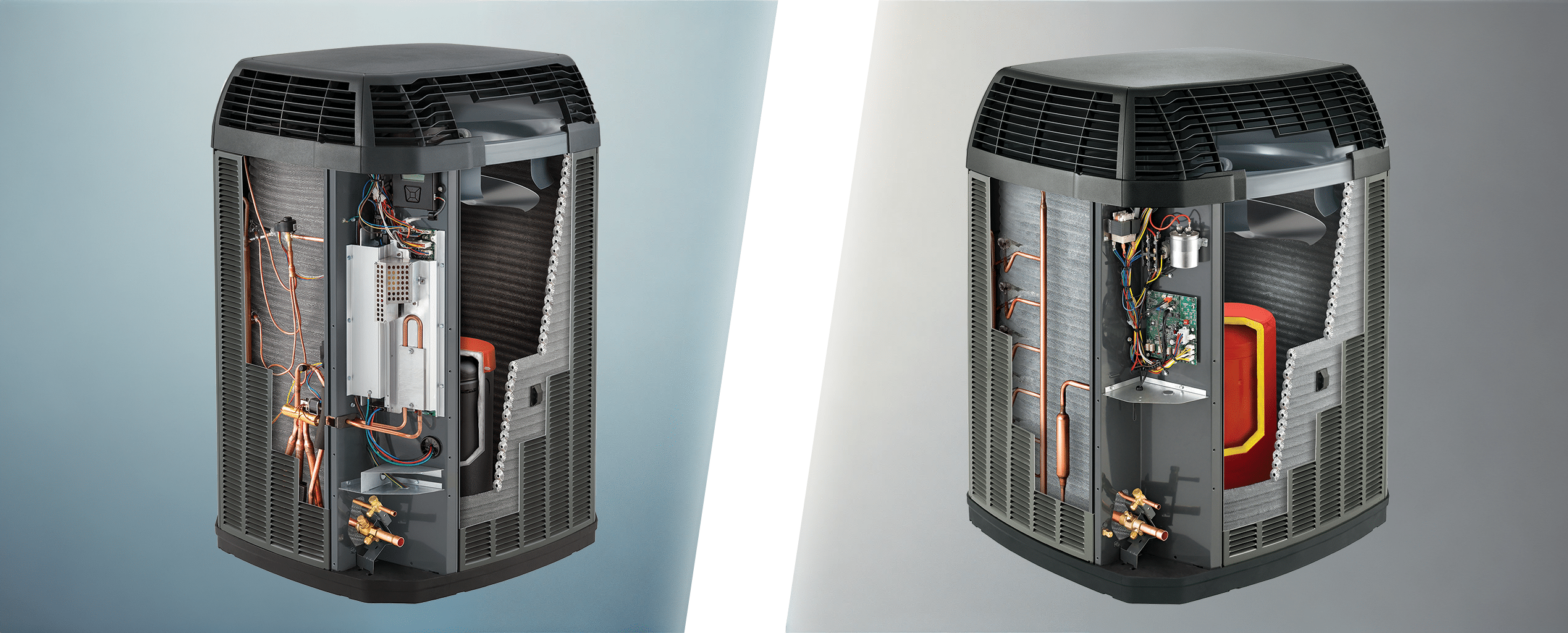
When it comes to maintaining and ensuring the longevity of your heating and cooling systems, both heat pumps and air conditioners require regular upkeep. Let’s delve into the specific maintenance needs and typical lifespan of each system, along with tips to extend their longevity.
Lifespan
- Heat Pumps: The typical lifespan of a well-maintained heat pump is around 15 years. However, factors like usage, maintenance, and quality of installation can impact the longevity of the system.
- Air Conditioners: Air conditioners usually last between 10 to 15 years with proper maintenance. Like heat pumps, the lifespan can vary based on usage and maintenance practices.
Tips for Extending Lifespan
- Regular Maintenance: Stay on top of filter replacements, coil cleaning, and professional tune-ups to ensure efficient operation and longevity.
- Avoid Overworking: Set your thermostat to optimal levels and avoid constantly adjusting it to reduce strain on the system.
- Protect from Debris: Keep the outdoor unit free from debris, vegetation, and other obstructions to maintain proper airflow.
- Monitor Performance: Pay attention to any unusual sounds, odors, or changes in cooling/heating efficiency and address them promptly.