The Ultimate Guide to Choosing the Best HVAC System
When it comes to creating the perfect indoor environment, having the best HVAC system is essential. From keeping your space cool in the summer to cozy and warm in the winter, your HVAC system plays a crucial role. In this comprehensive guide, we will delve into the world of HVAC systems, exploring different types, key factors to consider when choosing one, technological innovations, and the benefits of investing in a high-quality system.
Let’s embark on this journey to find the ideal HVAC solution for your needs.
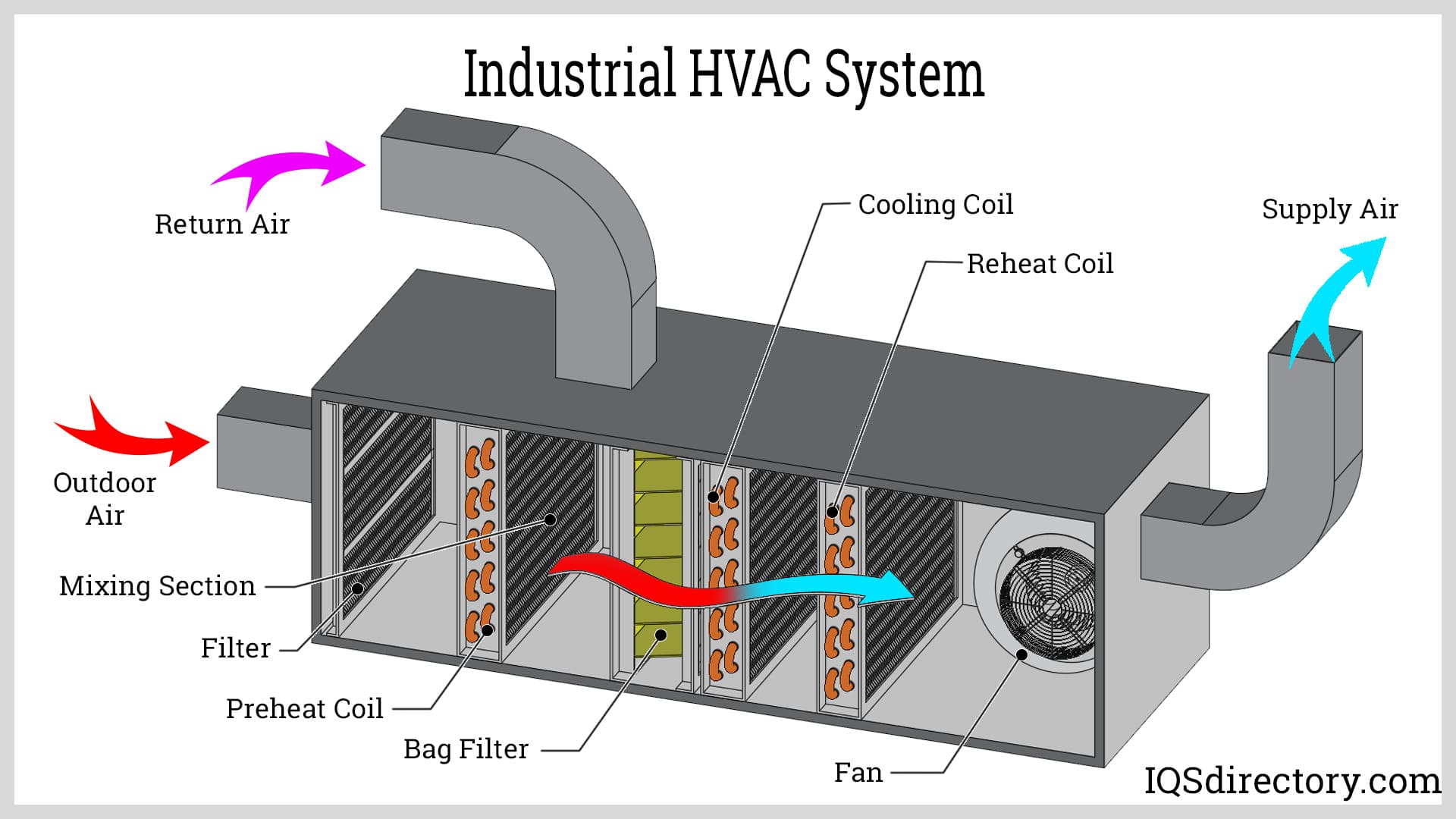
When it comes to HVAC systems, there are several types available in the market, each with its own set of features and benefits. The most common types include central, ductless, and geothermal HVAC systems. Let’s take a closer look at each one and compare their efficiency and cost-effectiveness.
Central HVAC systems are the most traditional type of system found in many homes and buildings. They consist of a central unit that heats or cools the air and then distributes it throughout the building via ductwork. These systems are known for their ability to effectively regulate the temperature in large spaces and provide consistent comfort.
However, they can be costly to install and maintain, especially if ductwork is not already in place.
Ductless HVAC systems, also known as mini-split systems, are a more modern and flexible option. These systems do not require ductwork and consist of an outdoor unit connected to one or more indoor units. Ductless systems are highly efficient and allow for customizable temperature control in different zones of a building.
While they may have a higher upfront cost compared to central systems, ductless systems are often more energy-efficient and can result in lower utility bills over time.
Geothermal HVAC systems are considered one of the most energy-efficient options available. These systems utilize the stable temperature of the earth to heat and cool a building. By circulating water or refrigerant through underground pipes, geothermal systems can provide reliable heating and cooling with minimal energy consumption.
While the initial installation costs of geothermal systems can be higher, they are known for their long-term cost savings and environmental benefits.

When selecting the best HVAC system for your home or business, there are several important factors to take into consideration to ensure optimal performance and energy efficiency.
Energy efficiency is a crucial factor to consider when choosing an HVAC system. Opting for an energy-efficient system can help reduce your energy consumption, lower utility bills, and minimize your environmental impact. Look for systems with high SEER (Seasonal Energy Efficiency Ratio) ratings to ensure efficiency.
It’s essential to determine the right size and capacity of the HVAC system for your space. An undersized system will struggle to heat or cool your space effectively, while an oversized system can lead to energy wastage and inconsistent temperatures.
Consider factors such as the square footage of your space, ceiling height, insulation, and local climate when choosing the appropriate size and capacity.
Proper installation and regular maintenance are key for the optimal performance and longevity of your HVAC system. Ensure that the system is installed correctly by a professional to avoid issues such as leaks, poor airflow, and inefficiencies. Additionally, schedule routine maintenance checks to keep your system running smoothly and efficiently.
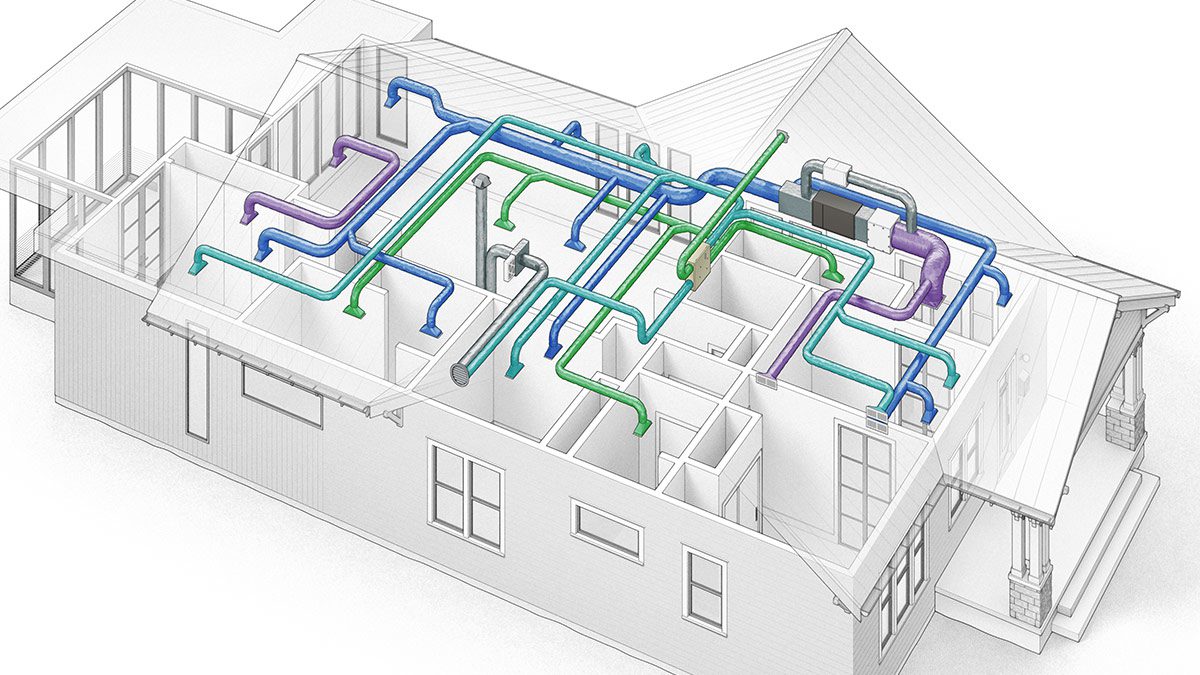
In recent years, HVAC systems have seen significant advancements in technology, leading to increased efficiency and comfort in indoor spaces. The integration of smart thermostats, zoning systems, IoT capabilities, and energy-saving features has revolutionized the way HVAC systems operate.
Smart thermostats are equipped with sensors that can detect occupancy and adjust temperature settings accordingly, optimizing energy usage. Zoning systems allow for different areas of a building to have individual temperature controls, ensuring personalized comfort and efficiency.
The integration of IoT (Internet of Things) technology in HVAC systems enables remote monitoring and control, predictive maintenance, and data-driven insights for optimal performance. Energy-saving features such as variable-speed motors, improved insulation, and advanced filtration systems contribute to reducing environmental impact and operational costs.
IoT integration allows for real-time monitoring and adjustments, leading to proactive maintenance and energy efficiency.

Investing in a high-quality HVAC system, whether for residential or commercial use, comes with a multitude of benefits that can significantly improve the overall indoor environment and save costs in the long run.
Cost Savings and Efficiency
- High-quality HVAC systems are designed to be more energy-efficient, resulting in lower utility bills over time.
- Advanced features such as programmable thermostats and zoning capabilities help optimize energy usage and reduce wastage.
- Regular maintenance and quality components ensure longevity, reducing the need for frequent repairs and replacements.
Improved Indoor Air Quality
- Premium HVAC systems come equipped with advanced filtration systems that can effectively remove dust, allergens, and pollutants from the air, creating a healthier living or working environment.
- Proper humidity control and ventilation provided by high-quality systems contribute to better air quality and overall comfort.
- Improved air quality can lead to fewer respiratory issues and allergies among occupants, enhancing their well-being.
Environmental Benefits
- Energy-efficient HVAC systems consume less power, reducing the overall carbon footprint and environmental impact.
- By using less energy, high-quality systems help conserve natural resources and contribute to sustainability efforts.
- Some premium HVAC systems utilize eco-friendly refrigerants and materials, further minimizing harm to the environment.