Understanding AC Replacement Cost: Factors, Estimates, Tips, and Installation
Exploring the realm of AC replacement cost unveils a world of considerations encompassing factors like unit size, installation complexity, and brand. Delve into the intricacies of location impact, maintenance significance, and more to grasp the full scope of this crucial aspect of HVAC systems.
Discover the nuances that dictate the costs associated with replacing an air conditioning system, from initial factors to long-term implications, in this comprehensive guide.

When it comes to determining the cost of replacing an air conditioning unit, several key factors come into play. These factors can significantly impact the overall cost and should be considered when budgeting for a replacement.
The size of the air conditioning unit is a crucial factor in determining the replacement cost. Larger units typically cost more to replace due to the higher capacity and materials required.
The complexity of the installation process can also affect the replacement cost. If the installation requires additional work such as ductwork modifications or electrical upgrades, the overall cost will increase.
The brand of the air conditioning unit and its efficiency rating can influence the replacement cost. High-end brands and units with higher efficiency ratings may come with a higher price tag.
The location of the installation and any additional features required, such as smart thermostats or zoning systems, can impact the overall cost of replacing an air conditioning unit.
Labor costs for installation play a significant role in determining the replacement cost. Additionally, the regular maintenance of the existing system can affect the overall cost, as a well-maintained unit may have a longer lifespan.
The age of the existing air conditioning system is another factor to consider. Older units may require more extensive work or replacements, leading to higher overall costs for the replacement.
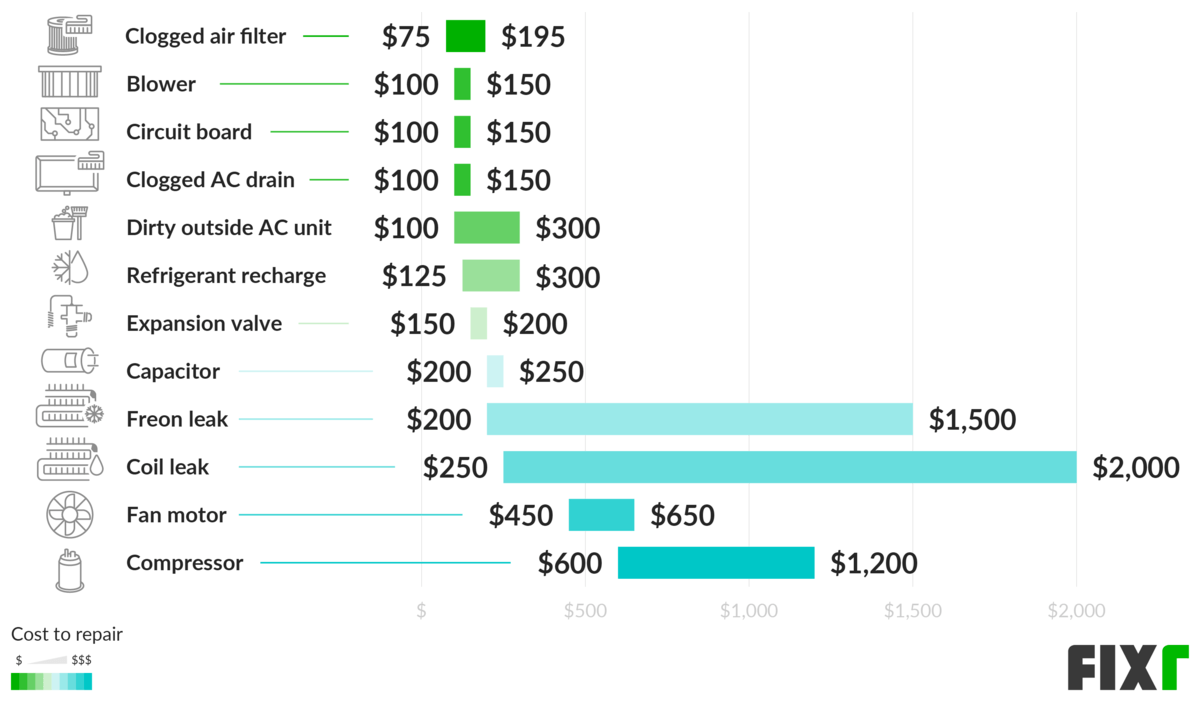
When it comes to replacing an air conditioning system, the costs can vary depending on several factors. On average, the cost for AC replacement in residential settings can range from $3,000 to $7,000, while in commercial settings, it can go up to $15,000 or more.
When it comes to the cost of AC replacement, there are certain seasonal variations and trends to consider. For example, during the peak summer months, when demand for AC services is high, the cost of replacement may be higher due to increased labor costs and demand for equipment.
On the other hand, during the off-season months, such as fall or winter, you may be able to find lower prices and discounts on AC replacement services.
When it comes to replacing your AC unit, there are several ways to save on costs without compromising on quality. By being strategic in your approach, you can make the most of your budget while still getting an efficient and reliable system.
One of the most effective ways to save on long-term costs is by investing in an energy-efficient AC system. While the upfront cost may be slightly higher, these systems consume less energy, resulting in lower monthly utility bills. Look for units with a high SEER (Seasonal Energy Efficiency Ratio) rating, as they are more efficient and cost-effective in the long run.
Another cost-saving tip is to ensure regular maintenance and tune-ups for your AC unit. By keeping your system clean and well-maintained, you can prevent costly repairs and extend the lifespan of your unit. Simple tasks like changing filters regularly and cleaning the coils can go a long way in improving efficiency and reducing overall costs.
When replacing your AC unit, explore financing options available through manufacturers or HVAC companies. Many offer flexible payment plans that can help you spread out the cost over time. Additionally, look for rebates or incentives offered by government programs or utility companies for upgrading to energy-efficient systems.
These can help offset the initial replacement cost and provide additional savings in the long term.

When it comes to replacing your AC unit, you have the option to either tackle the project yourself or hire professional HVAC technicians. Each approach has its own set of pros and cons, as well as associated costs. Let’s delve into the details to help you make an informed decision.
When considering the costs associated with DIY AC replacement, you need to factor in the expenses for tools, permits, and the potential for mistakes that may require professional intervention. On the other hand, hiring professional HVAC technicians might have a higher upfront cost but can save you from costly errors and ensure a properly installed system.
Remember, DIY AC replacement requires careful attention to detail and a good understanding of HVAC systems to avoid potential pitfalls. If you’re confident in your abilities and have the necessary tools, DIY can be a fulfilling project. Otherwise, it’s best to leave it to the professionals for a hassle-free installation process.